

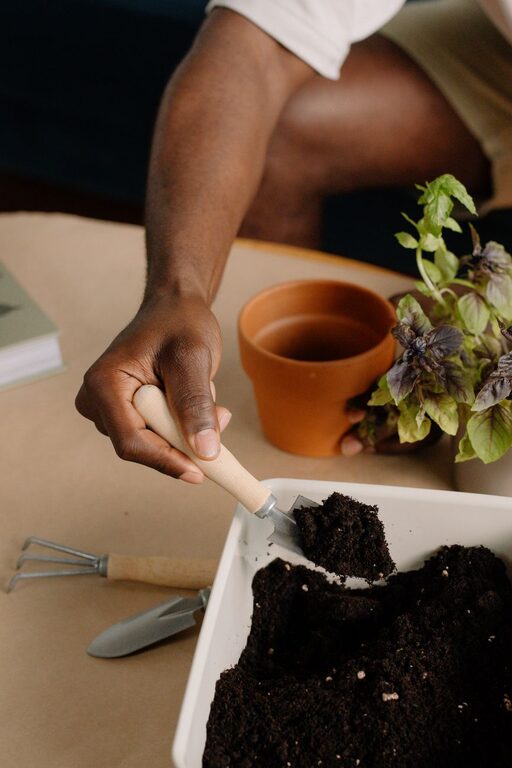
Starting an indoor herb garden is a rewarding way to have fresh, flavorful herbs at your fingertips all year long. Whether you have a sunny kitchen windowsill or a small corner of your living room, growing herbs indoors can be simple and satisfying. This guide will walk you through everything you need to know to begin your own small indoor herb garden.
Why Grow Herbs Indoors?
Growing herbs indoors offers several benefits:
– Convenience: Fresh herbs are always within reach while cooking.
– Year-round growth: No seasonal limits, herbs can thrive indoors even in winter.
– Space-friendly: Perfect for small apartments, condos, or houses without outdoor gardens.
– Easy care: Many herbs require minimal maintenance.
– Air quality: Indoor plants can improve air quality and add greenery to your space.
Choosing the Right Herbs for Indoor Growth
Not all herbs thrive indoors, so it’s best to start with easy-to-grow, beginner-friendly varieties. Here are some great options:
– Basil: Needs plenty of light; great for cooking.
– Parsley: Tolerates moderate light; versatile in recipes.
– Mint: Grows quickly; best kept in its own pot to prevent spreading.
– Chives: Requires moderate light; adds mild onion flavor.
– Thyme: Prefers bright light; drought-tolerant.
– Oregano: Needs sunlight; robust flavor.
– Cilantro: Likes bright, indirect light and cooler temperatures.
Selecting Containers and Soil
Containers
Choose pots with drainage holes to avoid waterlogged soil, which can cause root rot. Options include:
– Small terracotta pots
– Ceramic planters with drainage
– Recycled containers (make sure to add holes)
Select containers that fit your space but allow enough room for the roots to grow, typically 4-6 inches in diameter.
Soil
Use a high-quality, well-draining potting mix designed for indoor plants. Avoid garden soil, which may be too heavy or contain pests. Adding perlite or vermiculite helps improve drainage.
Finding the Ideal Location
Herbs generally need 6-8 hours of light daily. Here’s how to find the best spot:
– Sunny windowsill: South or southwest-facing windows usually provide ample light.
– Supplemental lighting: If natural light is limited, use a grow light designed for plants.
– Avoid drafts: Keep herbs away from heating vents or cold drafts, which can stress plants.
Planting Your Herb Garden
You can start herbs from seeds or buy young plants from a garden center.
Starting from Seeds
– Fill your containers with potting mix.
– Plant seeds at the depth recommended on the packet.
– Water gently and cover with plastic wrap or a clear lid to help retain moisture.
– Keep soil moist and warm until seedlings appear.
– Remove cover once sprouts emerge.
Starting from Seedlings
– Remove the plant gently from its nursery container.
– Loosen roots if they are tightly bound.
– Plant in your prepared container, filling in around roots with potting mix.
– Water thoroughly.
Caring for Your Indoor Herbs
Watering
– Water when the top inch of soil feels dry.
– Avoid overwatering; soggy soil can cause root rot.
– Use room temperature water for best results.
Feeding
– Use a balanced, water-soluble fertilizer every 4-6 weeks during the growing season.
– Follow package instructions for dilution and application to avoid over-fertilizing.
Pruning and Harvesting
– Pinch or trim herbs regularly to encourage bushy growth.
– Harvest leaves from the top to prevent the plant from becoming leggy.
– Avoid cutting more than one-third of the plant at a time to keep it healthy.
Managing Pests
– Indoor herbs can sometimes attract pests like aphids or spider mites.
– Inspect plants regularly.
– Use insecticidal soap or wipe leaves with a damp cloth to remove pests.
– Maintain good airflow around plants.
Troubleshooting Common Problems
– Yellow leaves: Could indicate overwatering or poor light.
– Leggy growth: Usually a sign the herb isn’t getting enough light.
– Wilting: May mean underwatering or root issues.
– Mold or fungal growth: Often caused by excess moisture; improve drainage and reduce watering.
Tips for Success
– Rotate pots weekly to ensure even light exposure.
– Clean pots occasionally to prevent salt buildup from fertilizers.
– Experiment with herb combinations that suit your cooking style.
– Label each pot to keep track of your herbs.
Conclusion
Starting a small herb garden indoors is an enjoyable and practical way to keep fresh flavors close throughout the year. With the right herbs, containers, light, and care, you can create a vibrant indoor oasis that benefits your kitchen and your well-being. Give it a try, and soon you’ll be snipping fresh basil or mint to enhance your meals with ease!
—
Happy gardening!