

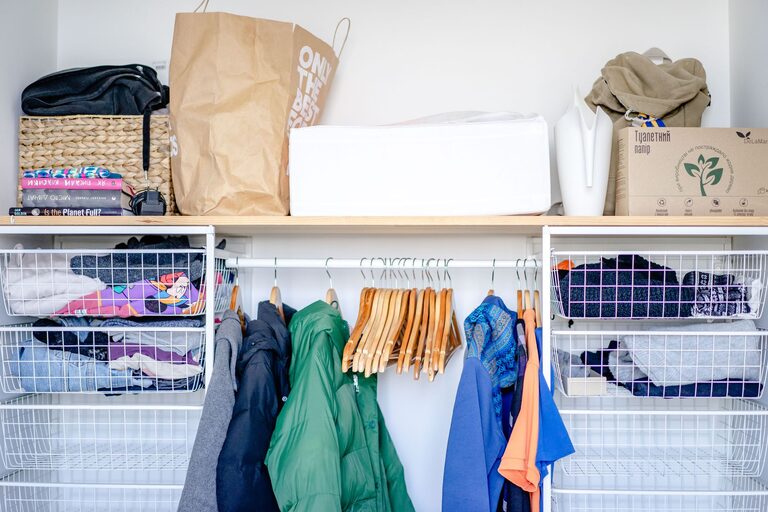
Storing seasonal clothes efficiently is a key step in maintaining an organized home and making the most of your living space. Whether you’re switching from winter layers to summer wear or packing away spring pieces for the colder months, doing it right helps protect your clothes and keeps your closet clutter-free. In this guide, we’ll explore smart strategies to store your off-season garments neatly and safely.
Why Proper Storage Matters
Before diving into techniques, it’s important to understand why proper storage is beneficial:
– Preserves fabric quality: Proper storage prevents damage from moisture, pests, or wrinkles.
– Saves space: Efficient use of storage areas creates room for current season clothes and other belongings.
– Simplifies outfit selection: Organized closets help you easily find and access your clothes.
– Extends garment life: Taking care of your clothes during storage means they last longer.
Preparing Clothes for Storage
Clean Everything First
Always wash or dry clean clothes before storing. Dirt, body oils, and stains can attract moths and cause discoloration over time.
Repair and Sort
Check for any needed repairs like missing buttons or loose seams. Also, sort clothes by type or material (e.g., sweaters, coats, dresses) for easier access later.
Dry Completely
Ensure all items are completely dry to prevent mold and mildew growth.
Choosing the Right Storage Containers
Selecting suitable containers is crucial for protecting your clothes.
Types of Containers
– Plastic bins with lids: Protect against moisture and pests; look for clear bins to identify contents.
– Vacuum-seal bags: Save space by compressing bulky items like sweaters and jackets.
– Fabric garment bags: Ideal for delicate or formal wear; allow some air circulation.
– Drawer organizers or boxes: Perfect for smaller items like scarves, gloves, or hats.
Avoid Cardboard Boxes
Cardboard can absorb moisture and attract insects, so it’s best to avoid these for long-term storage.
Storage Location Tips
Consider where you’ll store your clothes:
– Cool, dry, and dark spaces: Basements, closets, or under-bed storage works well.
– Avoid attics and garages: These areas often have extreme temperatures and high humidity.
– Use cedar-lined chests or blocks: Cedar helps repel moths and adds a pleasant scent.
Organizing Seasonal Clothes Step-by-Step
1. Declutter Before Storing
Donate or recycle clothes you no longer wear to reduce clutter and save space.
2. Categorize by Type or Frequency
Group items like heavy coats, sweaters, or swimwear together. You may also want to separate frequently used items from rarely worn ones.
3. Label Everything Clearly
Use labels or tags on storage containers to make it easy to identify contents without opening.
4. Store Heavier Items at the Bottom
Place heavier items like boots or winter coats at the bottom of bins to prevent crushing lighter garments.
5. Use Padding and Tissue Paper
For delicate items, layer with acid-free tissue paper to protect fabrics and maintain shape.
6. Keep Accessories Together
Store accessories like belts, hats, and scarves in smaller boxes or organizers within larger bins.
7. Avoid Overpacking
Leave some space in containers to allow air circulation and make retrieval easier.
Maintaining Stored Clothes
Regular Checkups
Every few months, inspect stored clothes for signs of moisture, pests, or wrinkles. Air items out if possible.
Refresh Cedar or Lavender
Replace or refresh natural repellents like cedar blocks or lavender sachets to help keep clothes smelling fresh and pest-free.
Rotate Seasonal Items
When the seasons change, rotate your storage contents to keep clothes fresh and accessible.
Additional Space-Saving Tips
– Use hanging organizers: These can be hung in closets or wardrobes to store off-season clothes vertically.
– Under-bed storage: Flat bins or vacuum bags fit nicely under beds, using often-unused space.
– Multi-purpose furniture: Ottomans or benches with storage compartments are great for seasonal clothing storage in small spaces.
Final Thoughts
Efficient storage of seasonal clothes takes a bit of planning but pays off by saving space and keeping your wardrobe in great condition. By cleaning, sorting, and choosing the right containers and locations, you can make seasonal transitions smooth and keep your home tidy year-round. Try these tips to simplify your closet routine and enjoy an organized living space!